
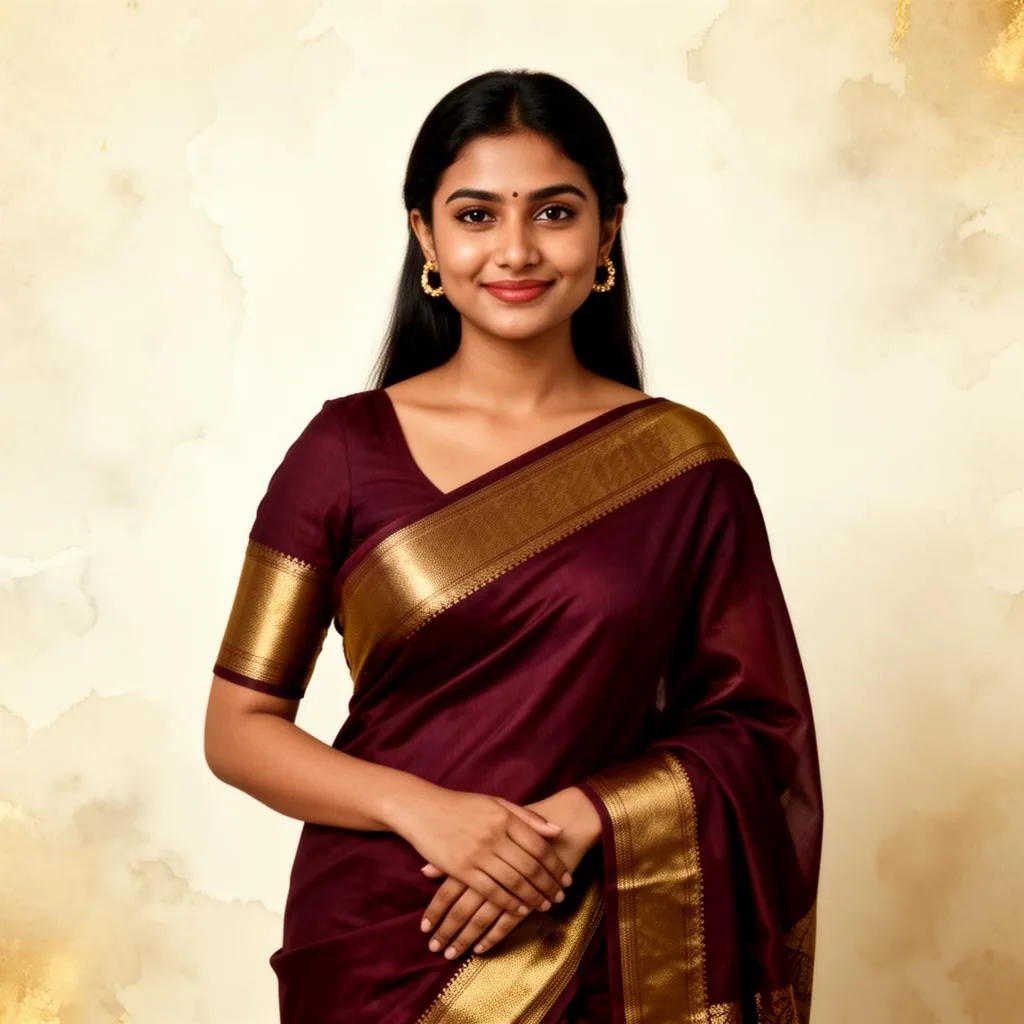
Miskatul Afrin Anika
Founder & Creative Lead of Nongorr
Anika is from Sreenagar, in Munshiganj, and is currently an undergraduate at BRAC University, reading for a Bachelor of Science in Computer Science and Engineering. Nongorr began with something far older than either: the nakshi kantha. For generations, Bengali women layered worn sarees and stitched them, evening after evening, into quilts that carried whole stories. One could take months. That patience is quietly going out of use. She started Nongorr because she did not want to stand by and watch it go.
- Hometown
- Sreenagar, Munshiganj
- Studying
- CSE at BRAC University
- Signature
- Custom fit
A Letter to the Woman Wearing Nongorr
The reason Nongorr exists is a quilt. For generations, women across Bengal took sarees too worn to wear, layered three to seven of them, and joined them with a simple running stitch. Nakshi kantha, we call it: naksha for the design, kantha for the quilt. Even the thread was pulled from the coloured borders of the sarees themselves. Nothing was wasted, and nothing was hurried.
What they stitched was never only decoration. Lotus and vine, elephants, boats, peacocks, palanquins, the ordinary vessels of a kitchen. Women who were never taught to write put their lives down in thread, and some signed their names at the edge of the cloth where a painter would sign a canvas. A medium kantha still takes two or three months of evenings. Jasimuddin wrote a poem about that field of embroidery in 1929 and this country has been reciting it ever since.
It is fading now. Not dramatically, just quietly, the way any skill goes when it passes from mother to daughter and one generation stops asking to be taught. We have learned to buy clothes built for a single season, made far away from anyone who will ever wear them, and we call that progress. I could not accept that something so patient should disappear simply because nothing modern was built to carry it.
I grew up in Sreenagar, in Munshiganj — the old Bikrampur, capital of Bengal for three centuries before Dhaka was anything at all. You are raised there with the sense that the important things came from here first. It is difficult to carry that and then watch our own crafts treated as though they were behind the times.
So Nongorr is my attempt to carry it forward. Not by copying something out of a museum, but by keeping what made the work worth doing: handwork given the time it actually needs, cloth cut for the specific woman who will wear it, and a garment made to be kept rather than replaced. I am also finishing a Computer Science and Engineering degree at BRAC University, which surprises people. It should not. Software and clothing ask the same question — does this work for the person who has to live with it? Most ready-made clothing does not. It fits the size chart, not her.
Nongorr is still small, so nearly all of this passes through my hands. If you message us, you are speaking to someone who knows the piece you are asking about. Thank you for trusting us with something as personal as what you wear, and for helping keep an old stitch in use.
Miskatul Afrin Anika
Founder & Creative Lead of Nongorr
The Principles Behind Every Piece
Keep the craft in use
A tradition survives by being worn, not by being admired in a museum. Handwork stays in even when it slows an order down.
Fit is respect
Sending your measurements should change what arrives at your door. If it does not, the option is just decoration.
Made to be kept
The kantha was built to outlast the woman who stitched it. Nothing here is designed to be worn once and replaced next season.
Straight answers
Honest delivery estimates, real replies on WhatsApp, and a clear explanation when something goes wrong.
From a Single Idea to a Boutique
Nakshi kantha
The craft that started it
Worn sarees, layered three to seven deep and joined with a running stitch, the thread drawn from the sarees' own borders. Lotus, elephant, boat, peacock. A medium kantha takes two or three months of evenings, and around three hundred thousand people in Bangladesh still work in the craft — almost all of them women. Fewer families teach it each year. Nongorr exists because Anika did not want to watch that happen quietly.
Sreenagar, Munshiganj
Raised in the old capital
Her home district is ancient Bikrampur: the seat of the Chandra, Varman and Sena rulers from the tenth century to the middle of the thirteenth, the centre of Bengal long before Dhaka mattered. Atish Dipankar left here for Tibet in 1042. Jagadish Chandra Bose was born a few villages over. Growing up among that makes it harder to accept our own crafts being treated as though they were behind the times.
BRAC University
A degree and a boutique
Nongorr was built alongside a Bachelor of Science in Computer Science and Engineering, which she is still completing. Running both at once enforces its own discipline: every process here has to be simple enough to survive exam season.
The name
Choosing the anchor
Nongorr comes from নোঙর, the Bengali word for anchor. It was chosen deliberately: it stands for steadiness and for belonging somewhere. The maroon fabric beside it is a nod to Bangladeshi women's wear. The identity was settled before a single piece had sold.
The first piece
One kurti, done properly
The first kurti took far longer than it needed to. Fabric, fall, finishing, the inside of the seams. Every piece since has been measured against it.
Custom fit
Measurements over size charts
Standard sizes were never going to cover it. Custom measurements became part of how the boutique works, so that ordering online can come closer to visiting a tailor.
What comes next
Beyond kurti
Kurti today, with saree, three piece, girls dress and beauty products planned. The aim is one place worth trusting, widened carefully rather than quickly.
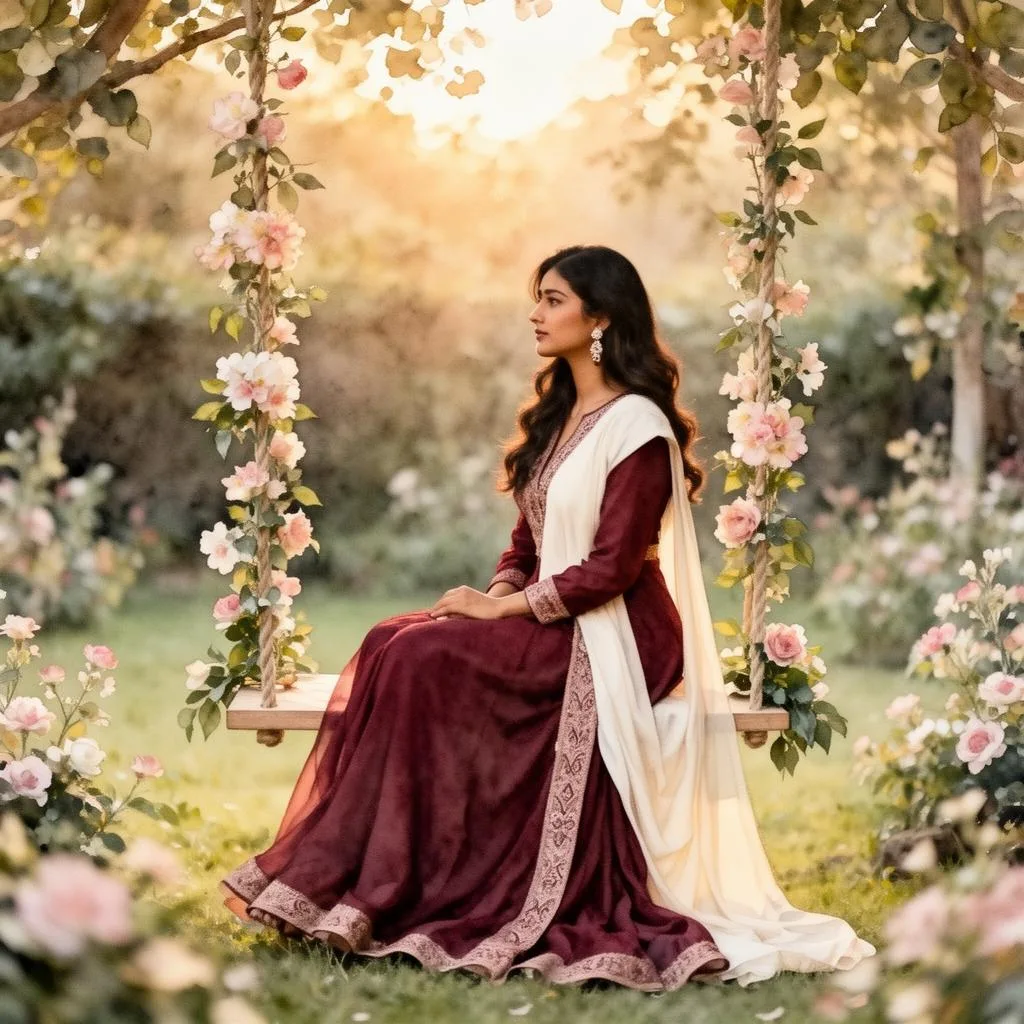
“Colour and craft, chosen the way she would choose them for herself.”
What She Looks for in Every Piece
Anika looks over pieces before they are listed and again before they are packed. The boutique is small enough that this is genuinely one person checking the work, not a policy written on a page. What she looks for is unglamorous and specific: whether the fabric suits the weather here, whether the handwork is even, whether the seams will survive being worn properly rather than carefully. The standard is the one the kantha set — work meant to outlast the person who made it.
- Fabric that holds up in Bangladeshi heat
- Traditional motifs kept recognisable, not flattened
- Handwork and embroidery checked piece by piece
- Seams and finishing inspected before dispatch
- Your measurements cut exactly as sent
- A palette built around maroon, gold and ivory
- Packed properly, because it often arrives as a gift
“Every piece should feel thoughtful — not just worn, but loved.”
— Miskatul Afrin Anika
Talk to the Founder
Questions about fit, fabric, or something you have in mind? Messages here reach the small team behind Nongorr, and often Anika herself.